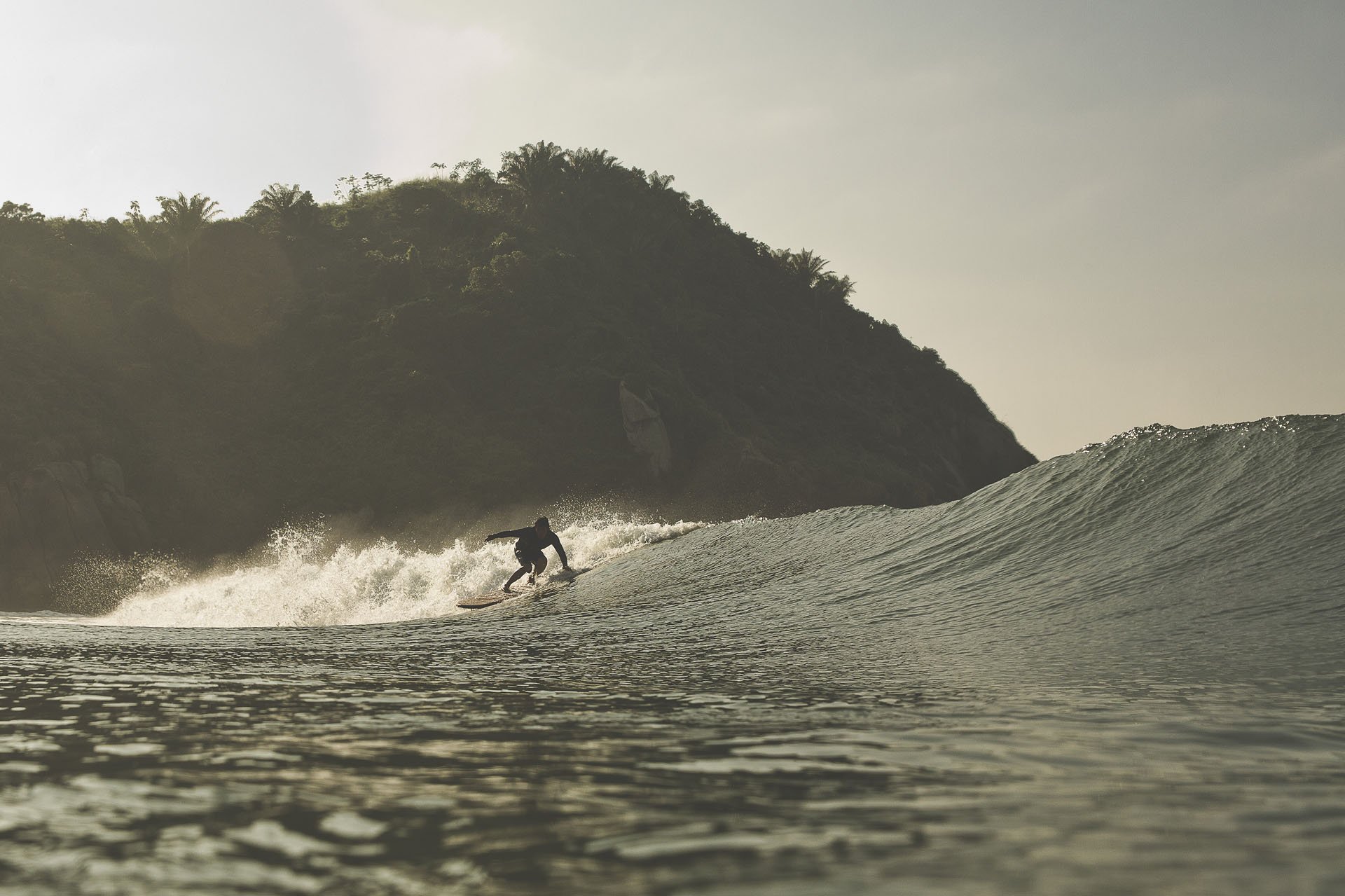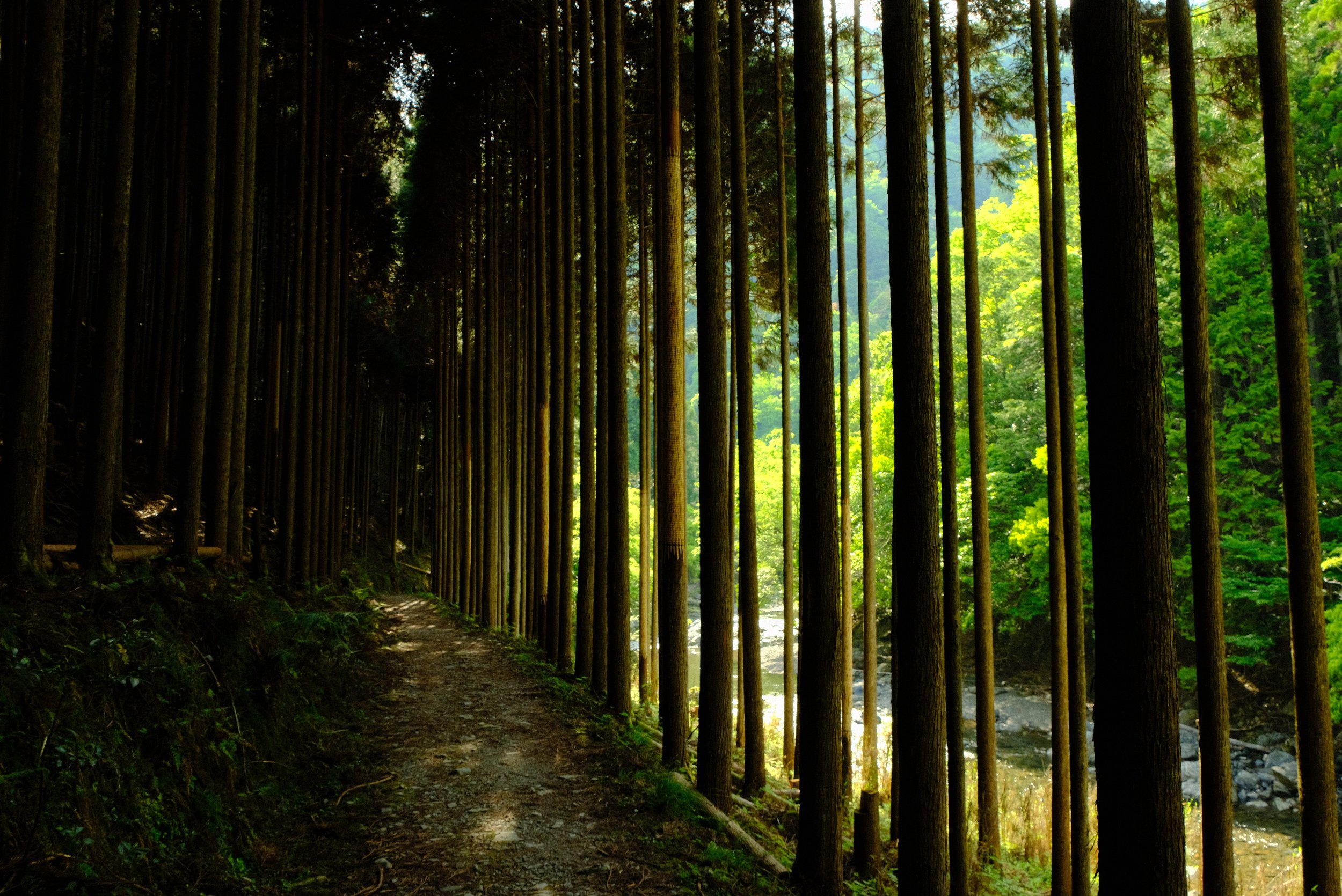
Every board starts long before the water.
Choosing wood is part of the craft —
grain, weight, flexibility, and memory are what define the character of each board.
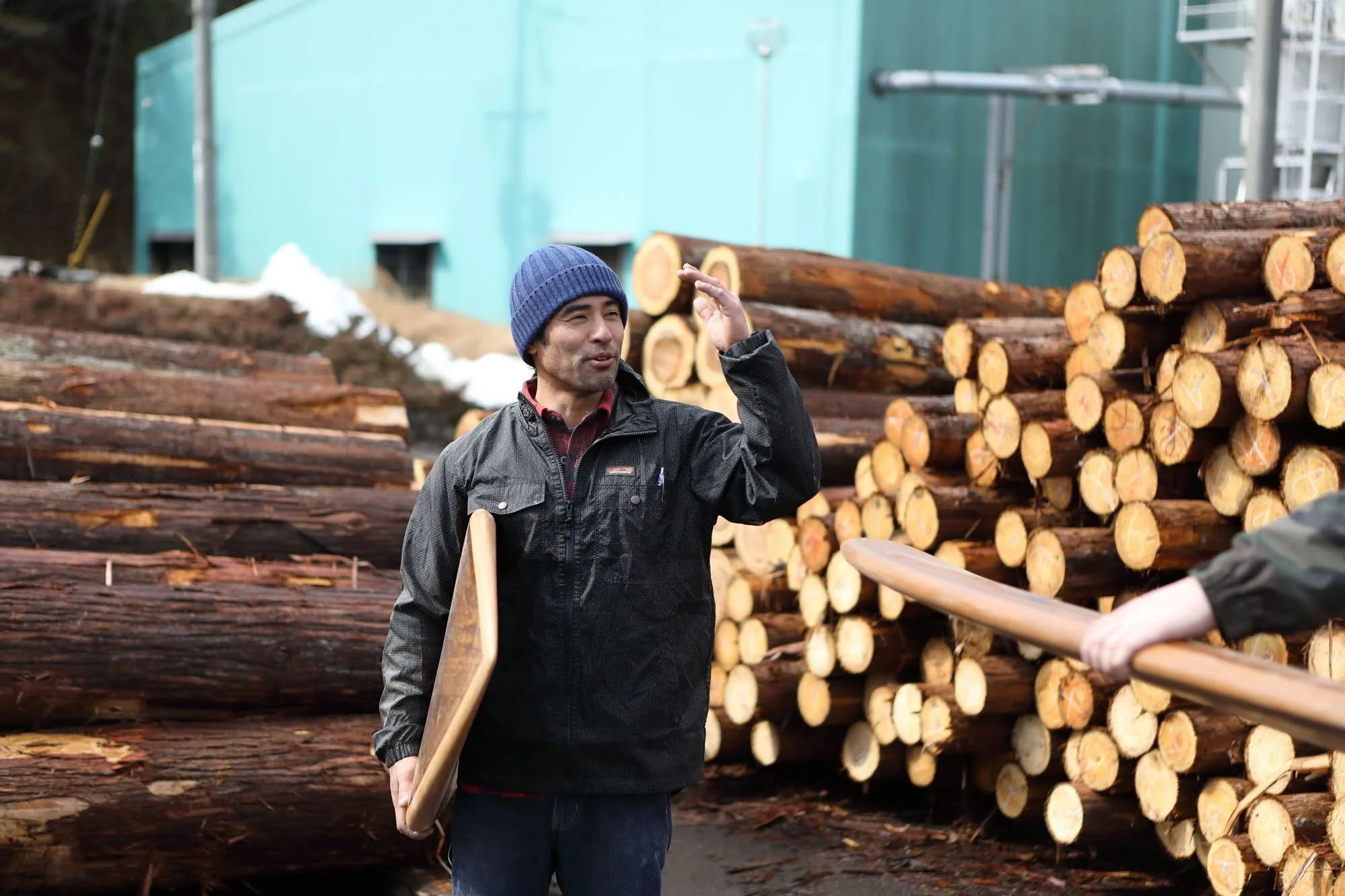
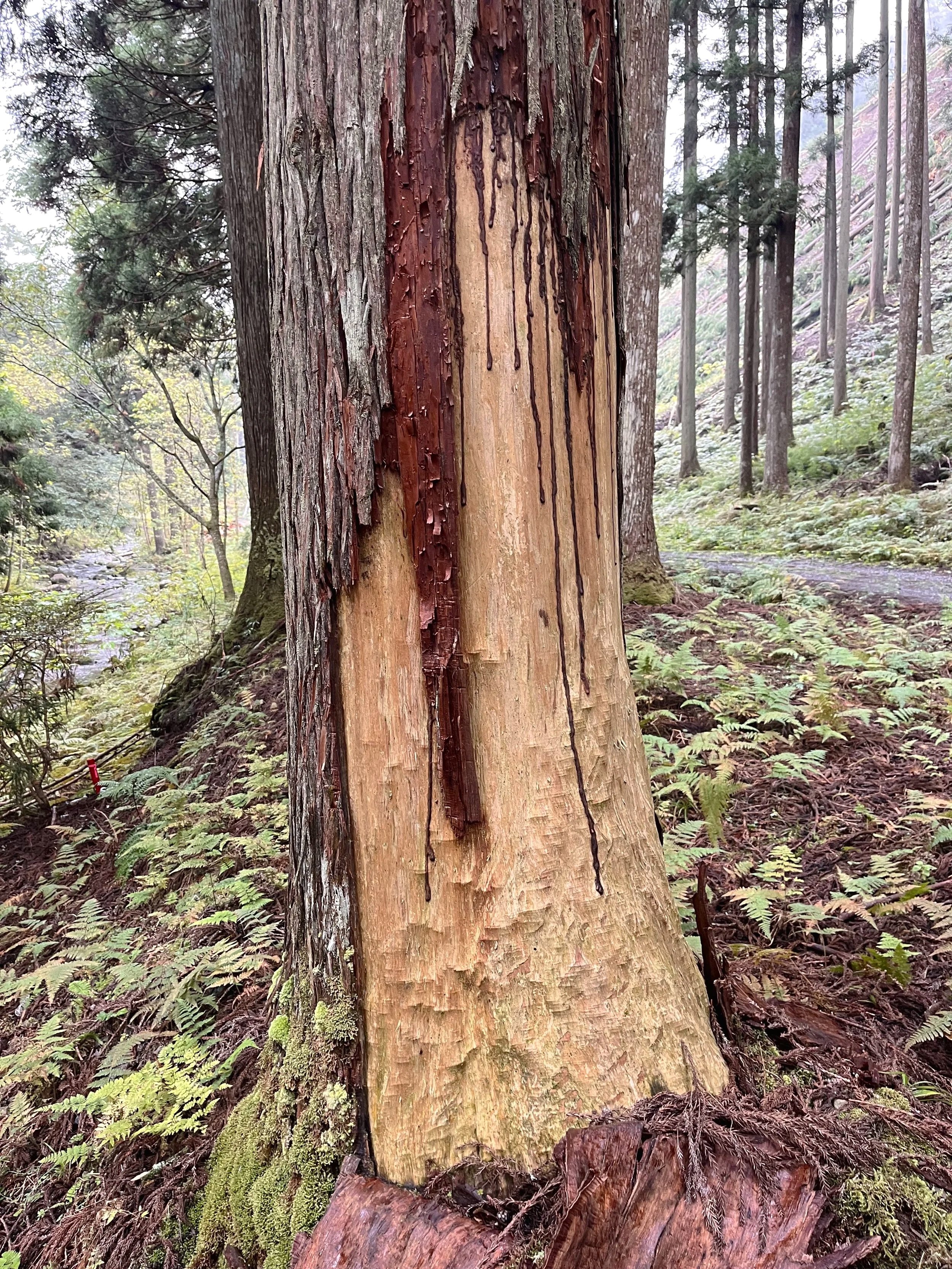
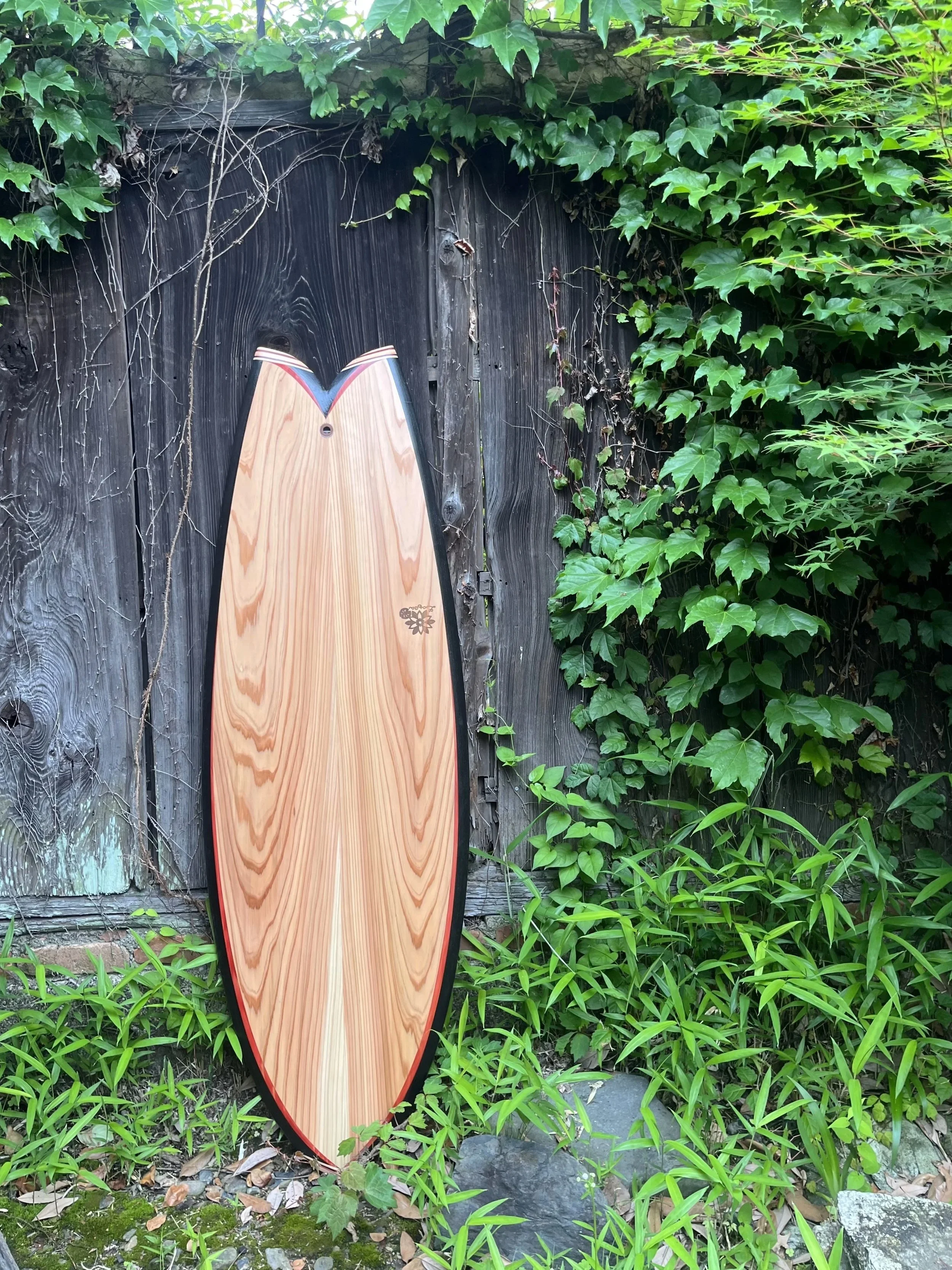
Japanese Cedar (Sugi) Kuma-hagi
Kuma-hagi refers to damage caused when wild bears strip tree bark — an increasing issue in the Keihoku region of Kyoto. These trees often lose their commercial value and are reduced to wood chips or fuel.
However, the trees chosen by bears are usually strong. As they regenerate, they develop unique grain patterns — marks that only nature can create.
Led by Makoto Yoshida and other craftspeople, the Bears Wood Project was born from the desire to transform this former loss into value, giving new life to bear-marked wood in collaboration with local foresters and artisans. This wood carries a strong story and concept, and is used in surfboards that seek a balanced weight, speed, and durability. It is especially well suited for midlengths and longboards.
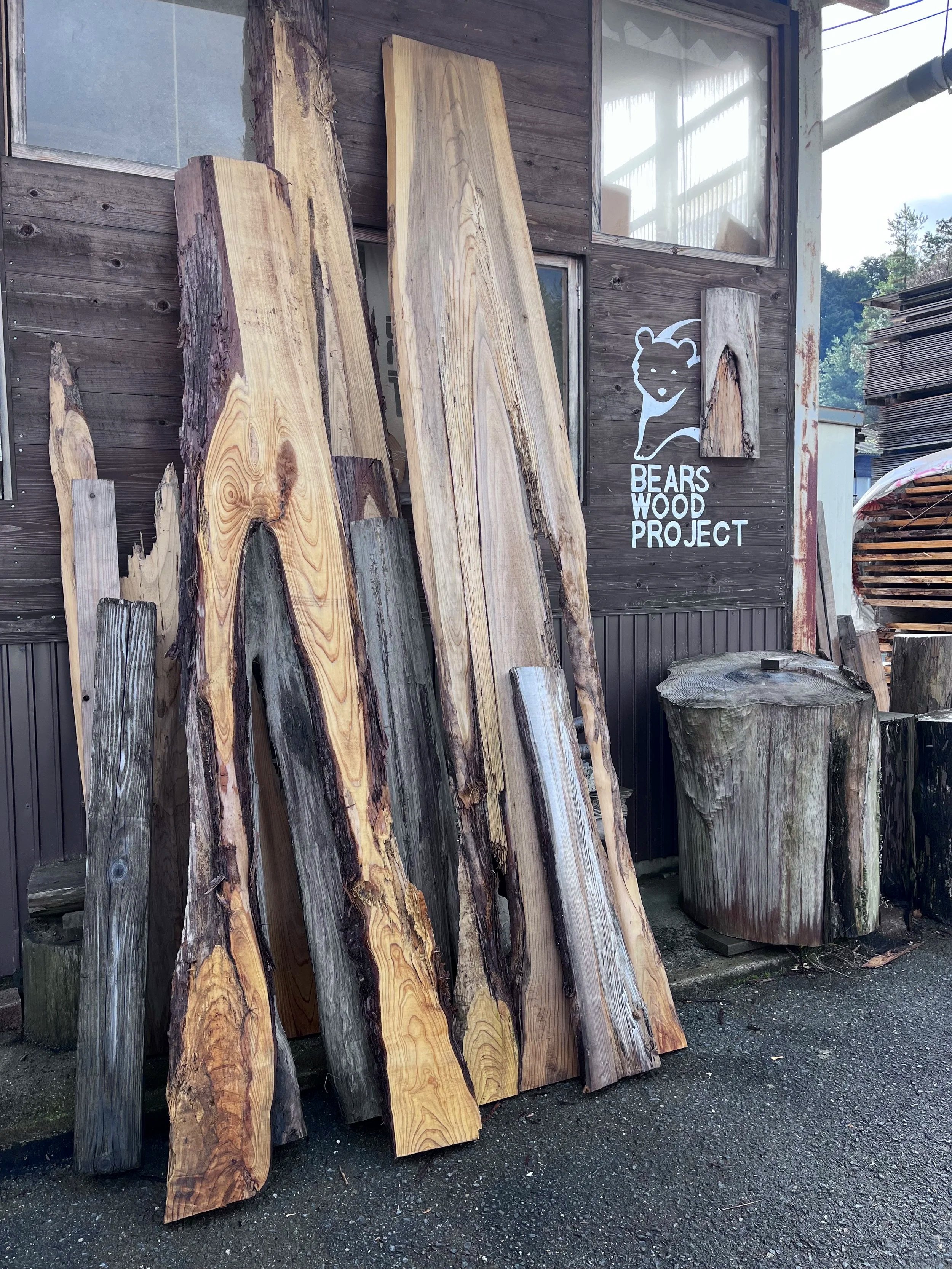
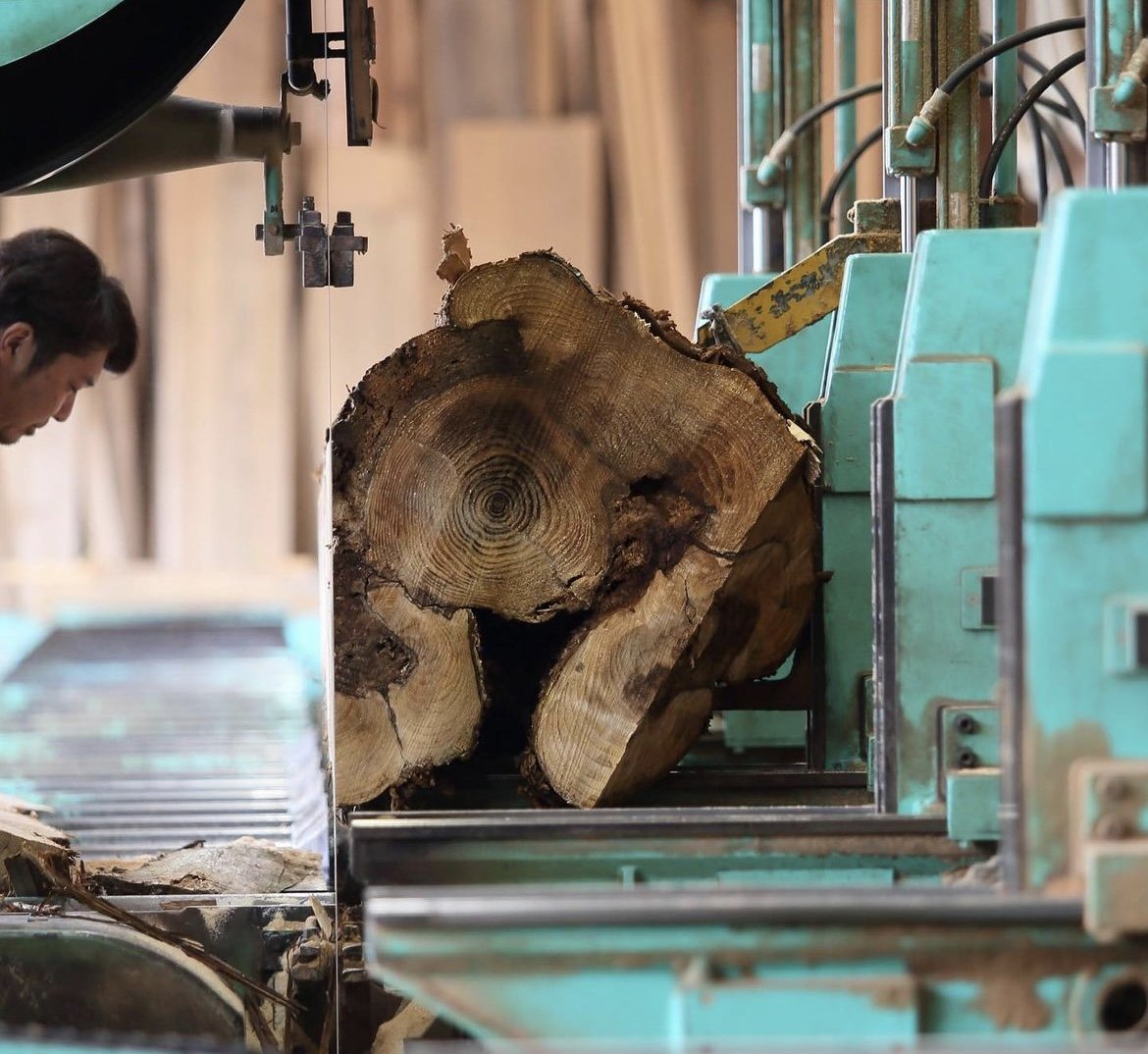
Woodworker Makoto Yoshida
Paulownia (Kiri)
Light in weight and calm in character, paulownia has few knots, which makes the wood more stable and predictable to work with. Its softness allows it to absorb impact naturally, reducing stress on the board while improving overall flexibility. This balance of lightness, resilience, and workability makes paulownia especially well suited for small, high-performance surfboards.
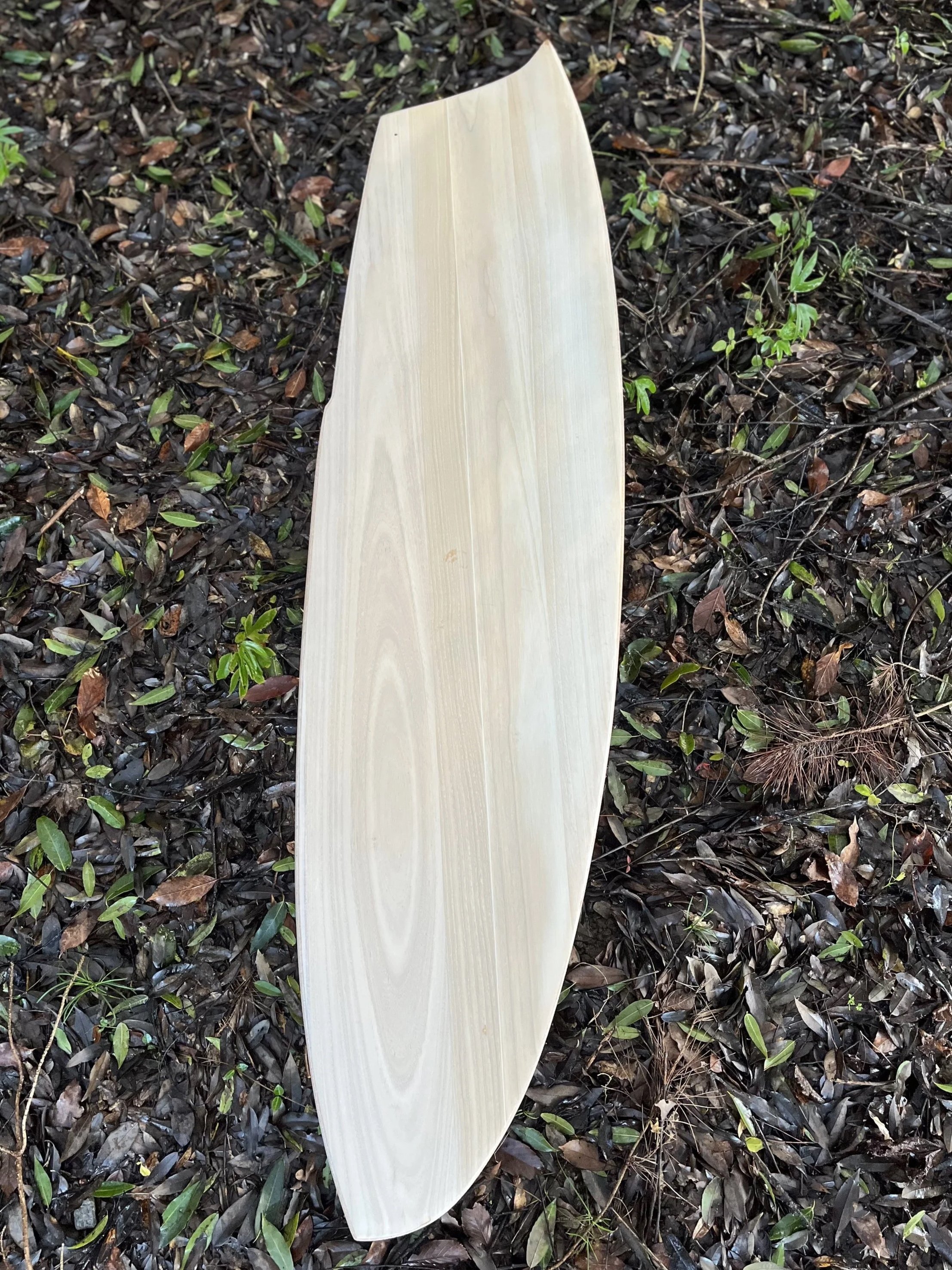
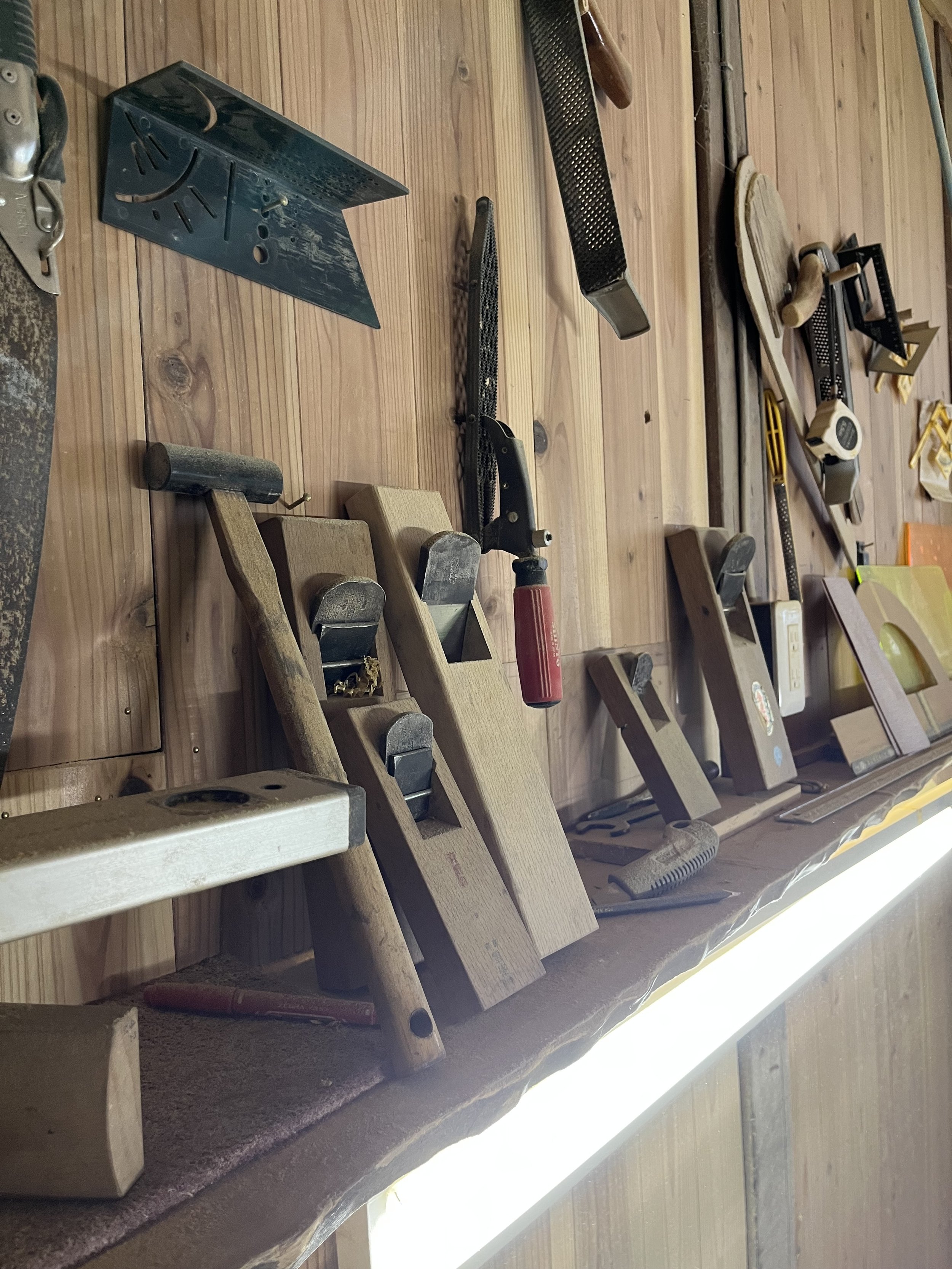
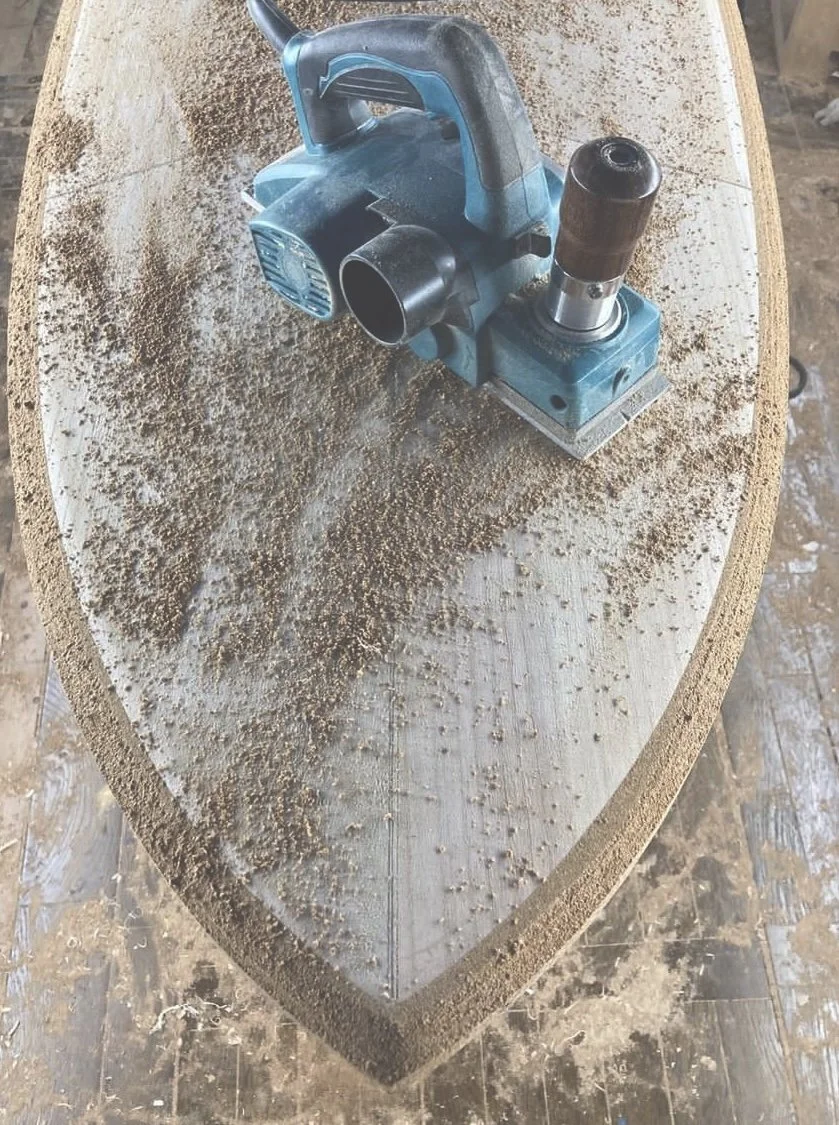
Shaped by hand using traditional Japanese techniques.
A quiet dialogue between shaper and wood guides the board toward its final form.
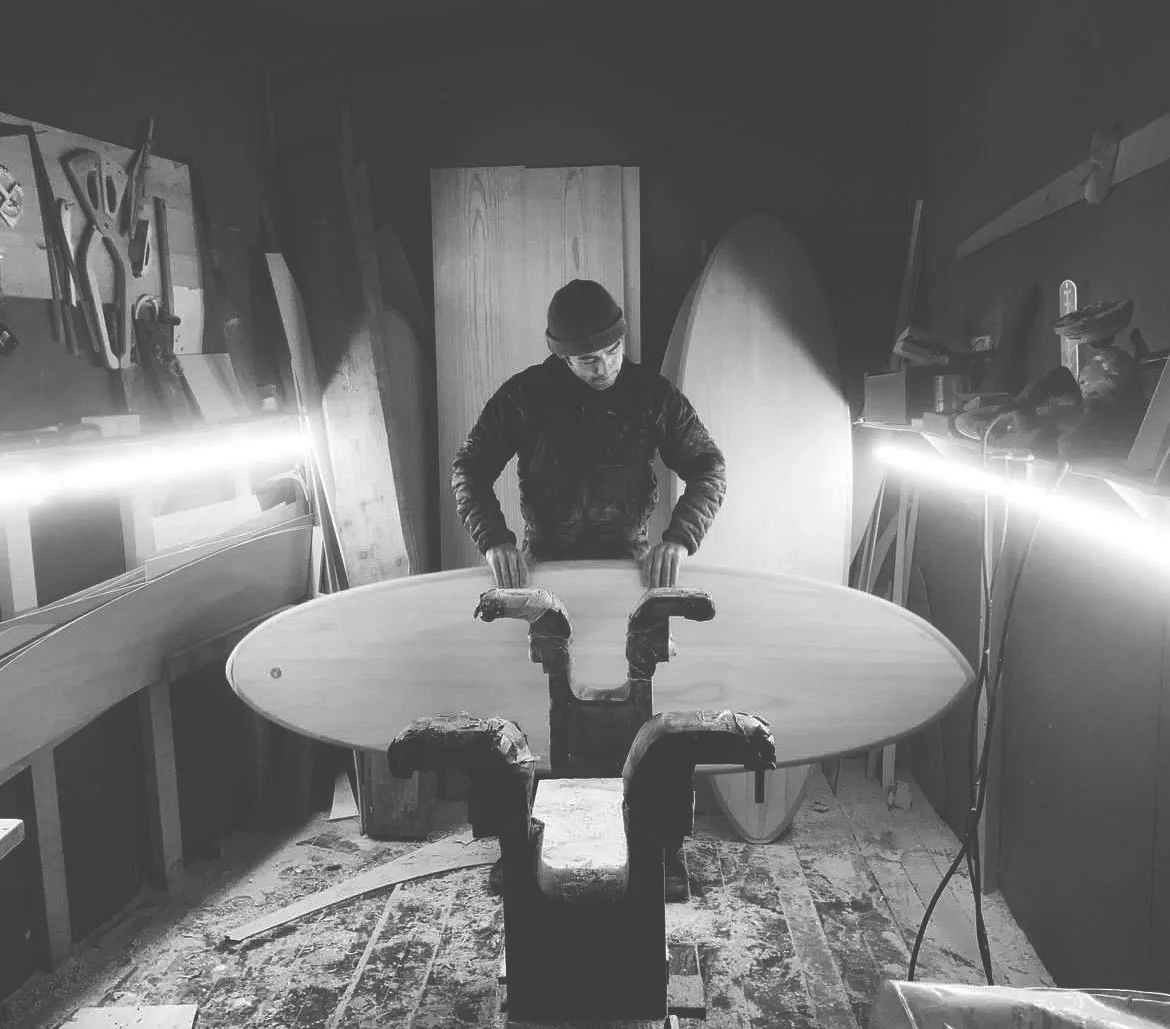
A final check by hand,
feeling the shape and imagining how water will move across it.
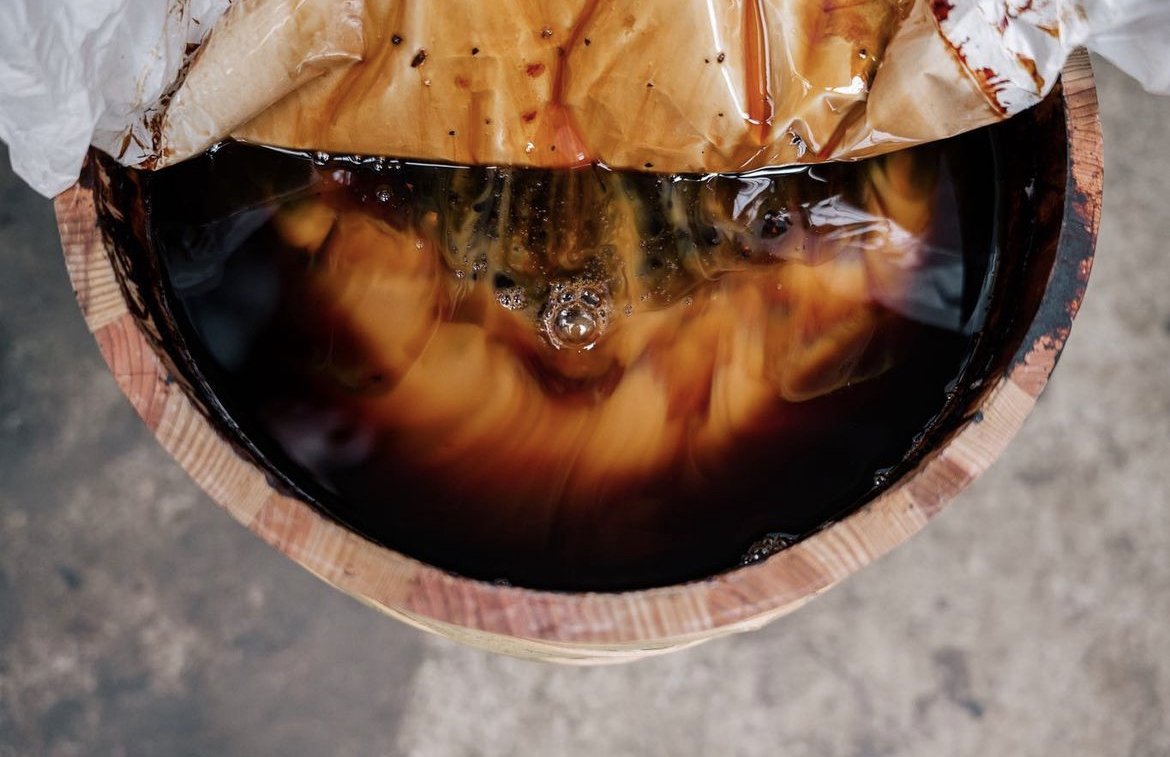
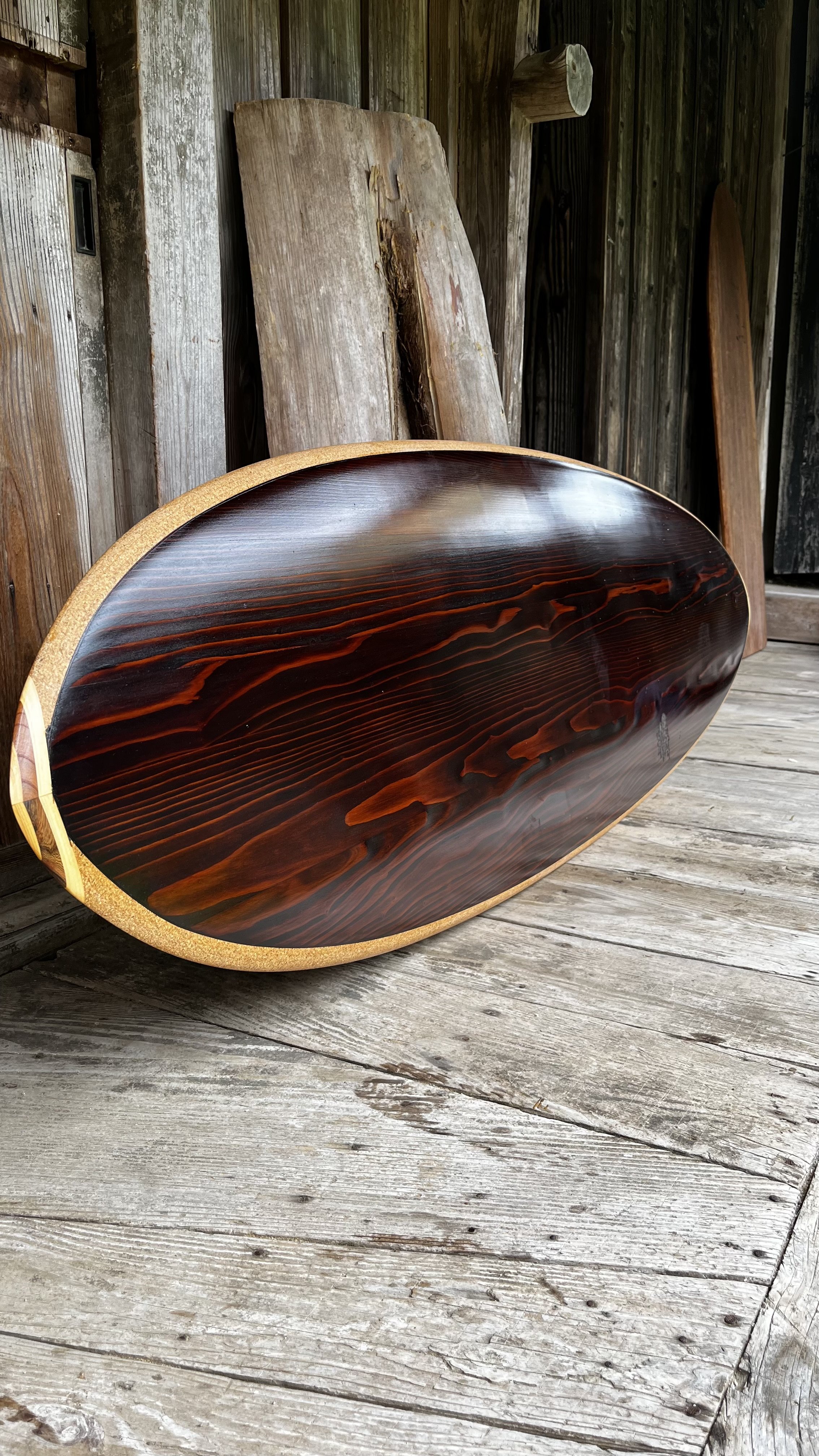
Urushi
A natural lacquer made from the sap of the urushi tree, used in Japan for centuries to protect and finish wood. Once applied, it cures slowly in a humid environment, a process that requires patience and care.
It forms a surface that is highly resistant to water, heat, and wear. Over time, the surface continues to change with use and exposure, developing a depth and patina that make each board increasingly its own. In the water, this refined finish allows the board to glide smoothly and freely.
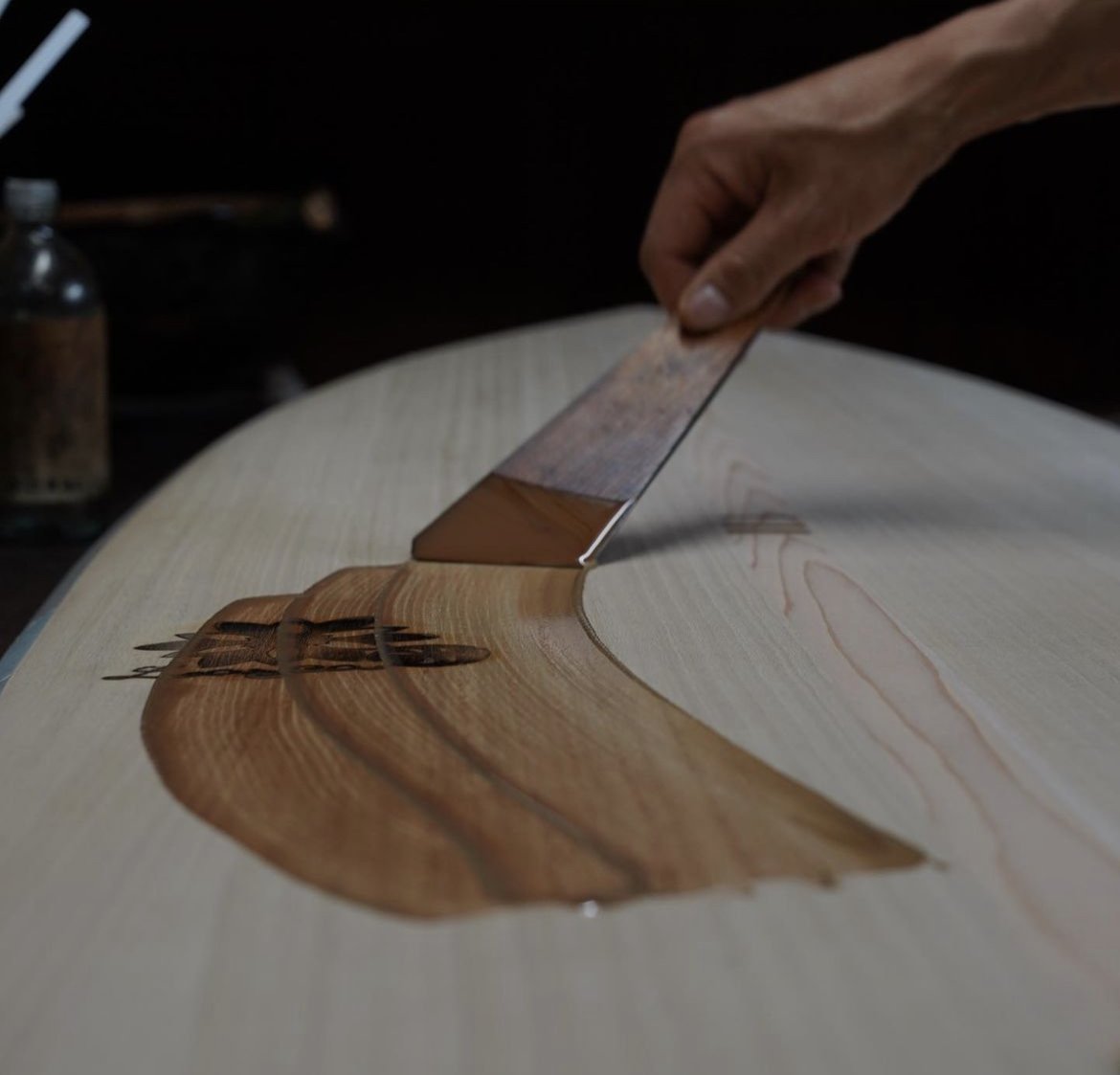
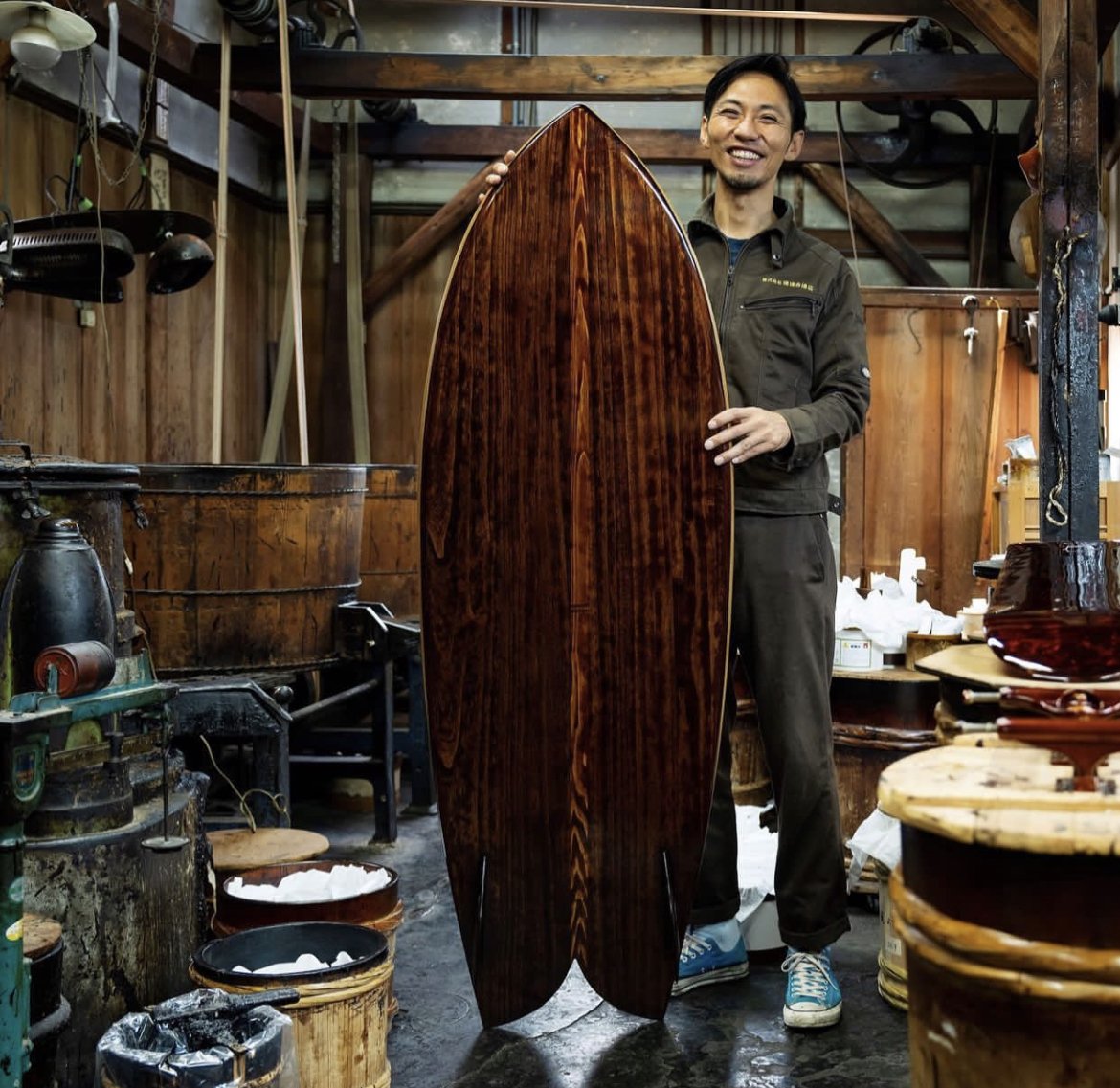
Urushi refiner and craftsman Takuya Tsutsumi
Each board becomes a connection, shaped with care and deep respect for the material.
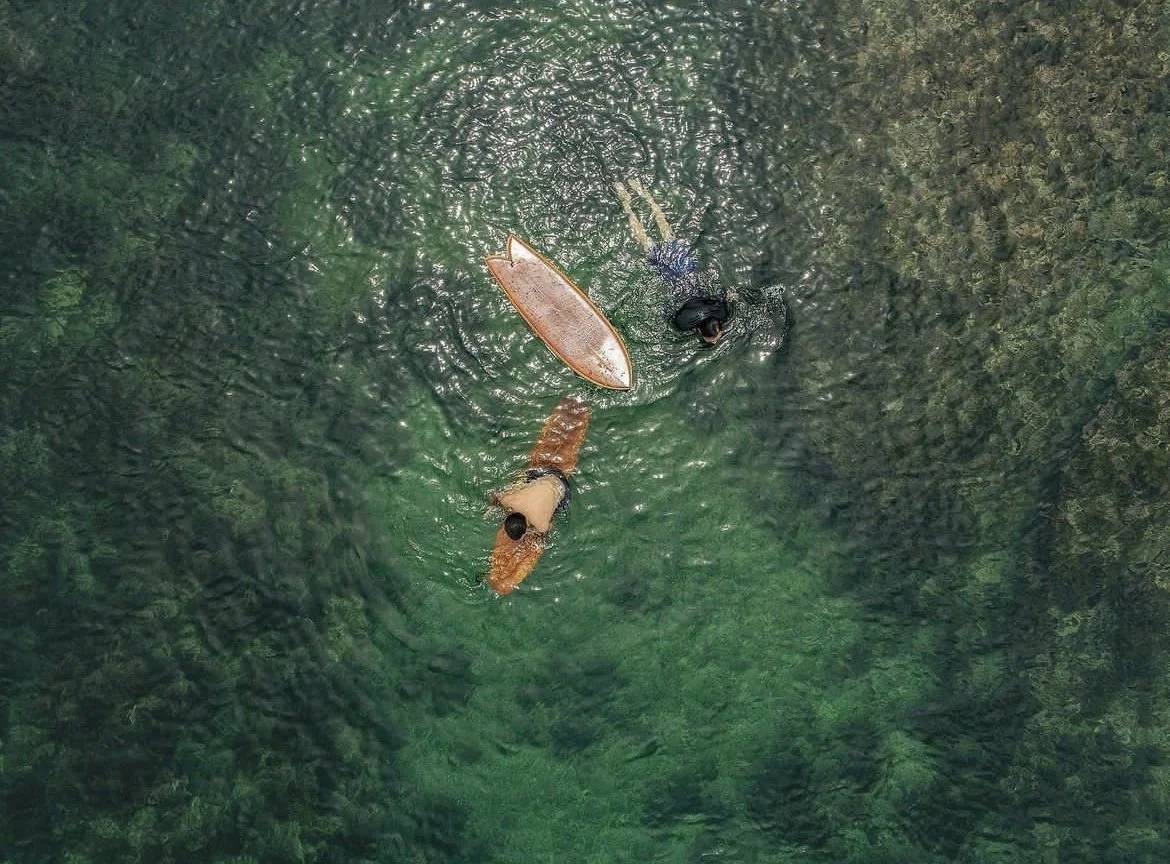
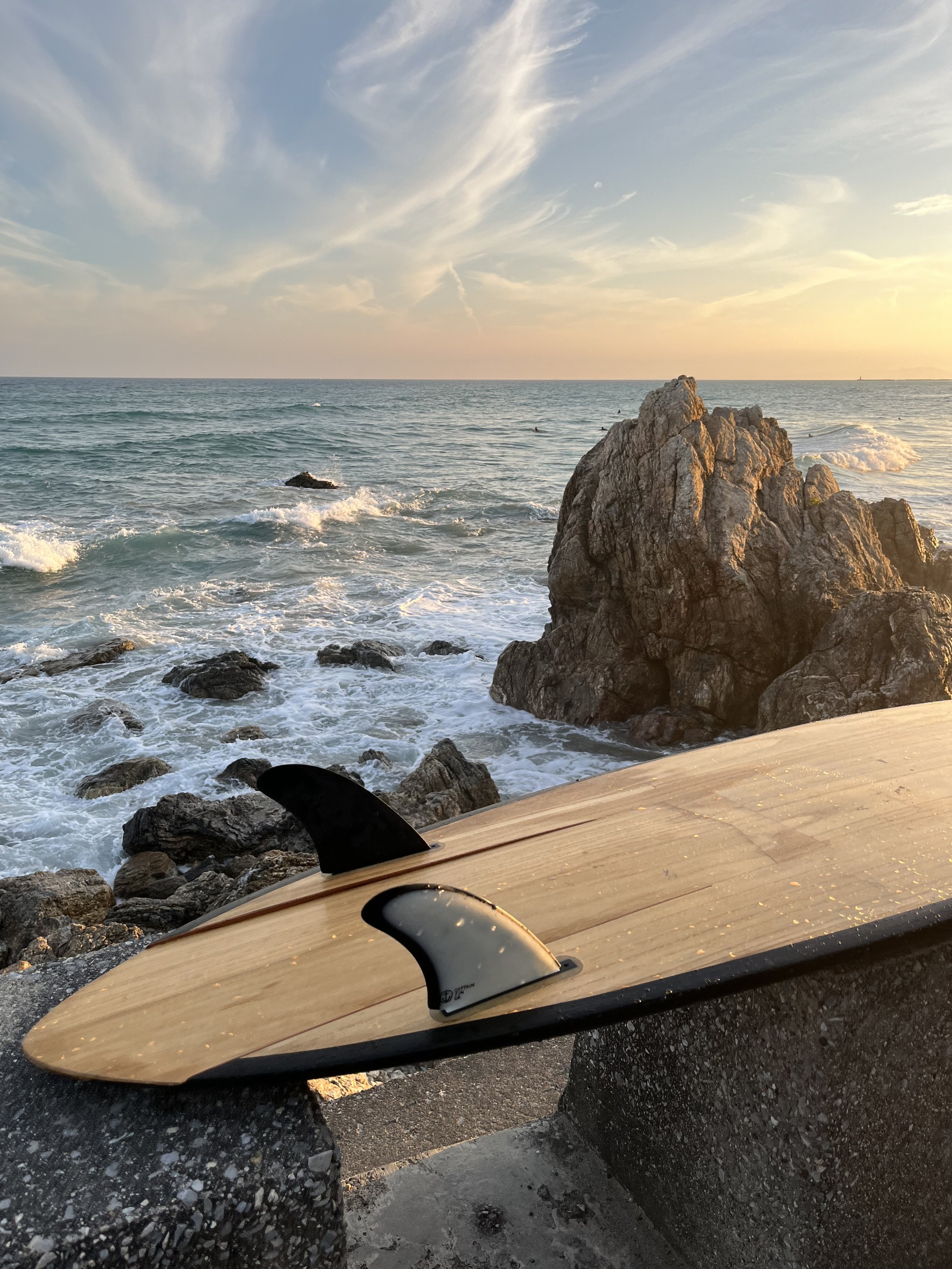
Wood from the mountains, shaped for the ocean.